

I used to think role models were people like Gautam Buddha, Martin Luther King Jr., Abraham Lincoln, Leonardo da Vinci, Helen Kellar, Amelia Earhart, Nikola Tesla, Dr. Stephen Hawking, or Dr. A.P.J. Abdul Kalam.
But today, when I see youth becoming fans of cheap role models, it hurts.
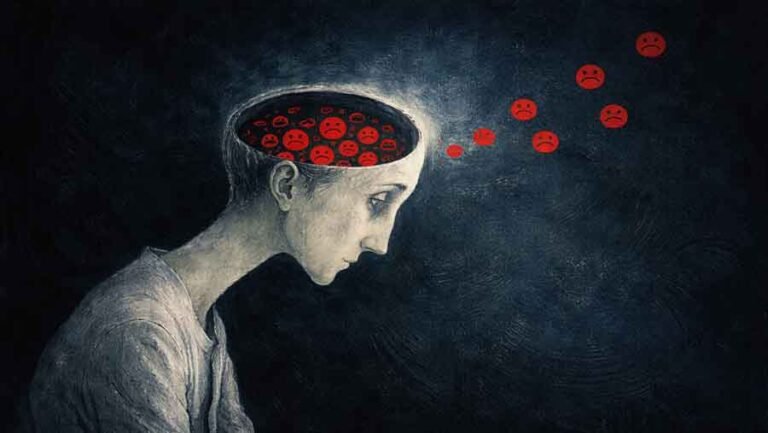
The word role model has been hijacked by the algorithm.
Now, it simply means whoever appears in your feed most often. Whoever shouts the loudest, flaunts the most, or provokes you just enough to stop scrolling for three seconds and feel something—envy, lust, anger, aspiration.
You’re not choosing these role models. They are being pushed to you, every waking second.
And when you can’t tell the difference, the cheap version looks just as good as the real thing.
Why cheap role models win attention
To see why cheap role models are winning over you, we have to look into the following reasons:
1. Accessibility over depth
Cheap role models win attention because they are everywhere. You can access them with one click and one swipe.
When you consume these influencers or entertainers, it doesn’t demand any real investment from you.
You don’t have to think deeply about what they are saying. You don’t have to practice anything. You don’t have to wait for results. All you have to do is just scroll, watch, and react.
You feel excited about them. You become envious of their lifestyle and fame. You live a distracted life because of them. But none of it changes you for good.
On the other hand, following real role models is hard for you. Because it requires a great deal of patience, deep thoughts, and continuous efforts. You have to read them. You have to listen to them. You have to reflect on them. You have to apply their teachings. They make you uncomfortable long enough for growth to happen.
Cheap ones keep you scrolling. Real ones make you stop, reflect, and move.
2. Instant gratification vs. long-term values
We live in a culture that worships now. We’re looking for shortcuts. Every product, every app, every platform is designed to train our brains to crave quick results.
Cheap role models understand this game. They package success into something that feels instant.
“I’ve earned 2 million dollars by selling eBooks. You can also earn by joining my course.”
“Wake up at 5 a.m., and you will transform your life.”
“I’ve developed an insane system that can help you earn millions like I do.”
“Do this hack, and you’ll lose 10 pounds in 15 days.”
These bold seduce you because deep down, you’re racing against time. You look at people who built real success over decades and think, I don’t want to wait that long. You see others getting rich at 19 and feel like you’re already behind.
So you chase whoever offers the quickest promise of catching up.
But you are unaware that there are consequences to it. When you go for instant gratification, it teaches you impatience. It rewires your brain to crave speed instead of substance. You start valuing results over growth and hacks over habits.
Real role models don’t sell speed. They talk about years of unseen work, boring discipline, and daily failures. But that kind of truth doesn’t trend. It’s too slow. It’s hard.
3. The illusion of relatability
One reason cheap role models hook you is that they feel relatable.
Nobel laureates or national leaders don’t excite you. But a 22-year-old YouTuber sitting in his messy bedroom, talking straight into the camera, feels like a friend. It feels like he is “just one of you.”
Influencers know about this weakness of yours. That’s why they don’t wear suits. They don’t speak in polished tones; instead they use slang. They tell you they came from “nothing.” They show you old photos of when they were broke or struggling. And for a moment, you believe them completely. Because they are crafting a story that makes you feel seen.
But that’s the illusion.
Because what you see is not their life; it’s a performance of possibility. It’s a script designed to keep you watching. Behind the casual tone and “I’m just like you” attitude is a production team, brand deals, sponsorships, and a lot of crafted relatability.
They are not your friends. They are marketers wearing friendliness as armor.
But as you fall for their scripts and performances, you choose cheap role models over genuine ones.
Real mentors, teachers, or thinkers don’t speak your language. They are not as entertaining. They don’t even look like you. But they offer substance.
On the other hand, cheap role models offer the feeling of belonging, but they can’t transform you.
4. Emotional hunger & social validation
If you really want to understand why cheap role models draw youth, you have to stop looking at the screen and start looking into the emptiness behind it.
We live in the loneliest, most connected generation in history. People have thousands of followers and many friends. But no real friends. They share stories every day, but have no one to have a real talk with. They post highlights but hide heartbreaks.
And in that loneliness, validation becomes oxygen.
Cheap role models sell belonging, not just content. They call followers “family,” “tribe,” or “gang.” They reply to comments and DMs with “I see you.”
For a young person who feels unseen, it feels personal. It feels like connection.
But what you feel as a real connection, someone has manufactured as intimacy. You’re not receiving love. Someone is keeping you loyal.
Because the moment you stop engaging, you disappear. The influencer or celebrity doesn’t check in. The belonging you care about evaporates.
That’s the emotional trap. Cheap role models give you a taste of validation without the substance of a relationship. They give you attention without accountability, comfort without care.
And that’s why the youth keep coming back to them. Not for wisdom, but for warmth.
Real role models do the opposite. They don’t make you depend on their approval; they help you build your own. They don’t create fans; they build thinkers. They don’t feed your hunger; they teach you how to outgrow it.
But that takes time, patience, and truth. And none of those trends.
5. Lack of guidance and filtering
Most young people aren’t consciously choosing cheap role models. They are left alone without filters.
The internet has become their classroom, and the algorithm has become their teacher.
When we look at how fast the content moves, it almost feels unfair to expect youth to know what is real and what is fake. Hundreds of voices bombard them every day. All speaking with confidence and claiming to know the “truth.”
And somewhere in that chaos, guidance has disappeared.
There was a time when mentors, parents, elders, and communities acted as filters. They were not always right, but at least they created boundaries. There were lines between entertainment and education, success and greed, influence and integrity.
Now those lines are invisible—unless you become conscious enough to see them.
Schools teach equations, but not the ability to judge something well. They teach facts, but not filters. Nobody teaches how to think critically about whom you listen to or why you admire them.
Parents try. But most of them are fighting a battle against speed. By the time they understand what TikTok or Instagram even is, their kids have already moved to another platform.
And genuine mentors are drowned out by noise. A calm, thoughtful voice can’t compete with a 15-second “life hack.”
So the young absorb everything. Without filters and without guidance.
6. The attention economy

Social media is all about the attention economy. Whoever grabs it wins.
And platforms are built to reward exactly that. They don’t care about truth or value. They only care about engagement. They want you to stay as long as you can. To scroll as much as you can. To come back again and again.
So the system promotes whatever keeps you emotionally charged.
That’s why cheap role models thrive. They are loud and dramatic. They post every day, every hour, feeding the algorithm what it wants. And it is the content that provokes you just enough to keep you hooked.
You think you control what you watch.
But what you see has already been selected for you by the system that knows what you crave better than you do.
The people who rise to the top of that system aren’t the wisest or most disciplined. They are the ones who understand the rules of the platform better than life principles.
Social media platforms reward outrage, entertainment, and exaggeration, not depth.
That’s why cheap role models play with your impulses. They make you envious, restless, and crave more. And in exchange for your attention, they get validation, sponsorships, money, and fame.
And that’s what’s shaping the youth. Not mentors. Not thinkers. Not teachers. But algorithms.
Real role models who have something great to say rarely stand a chance here. They move slower. They think before they speak. They don’t package wisdom into 15-second reels. And the social media platforms punish that.
So naturally, young people grow up seeing only one kind of success: trending ones.
7. The cultural shift
It’s not that youth suddenly became shallow. It’s that the culture around them did.
Look back even a few decades; our heroes were reformers, leaders, writers, scientists, philosophers, freedom fighters, and teachers. People who built, created, or sacrificed for others. Fame was the by-product of contribution.
But today, visibility is a virtue.
We live in a consumerist culture where looks matter more than wisdom. We don’t want to be good; we want to look good. We don’t want health; we want the appearance of fitness. We don’t want wisdom; we want followers.
When society glorifies wealth and visibility as the highest forms of success, it is only natural that the youth idolize those who flaunt it best.
And this isn’t completely your fault. You are acting according to the world’s expectations.
When every brand, ad, and platform tells you that your value depends on your image, you start believing that the ones with the brightest images have the most value.
This isn’t a moral failure. It’s cultural conditioning.
Cheap role models didn’t create this culture. They rose from it. They simply reflect what society rewards.
If we want better role models, the change must begin with what we choose to admire.
But the irony is that the world honors the loudest and ignores the wisest.
8. Entertainment as the new education
There was a time when there were different mediums to learn how to live. Teachers, books, or elders. Now it happens through screens.
When education starts looking like entertainment, entertainers become teachers.
It’s not that youth hate learning. They’ve just been conditioned to crave dopamine, not depth.
A reel that says “7 Habits of Millionaires” feels educational. It gives you a rush, the illusion of growth without the effort of depth. You feel smarter, but nothing really changes. You consume insight the way you consume a snack. It’s quick and tasty. And then you forget it five minutes later.
That’s the trap of modern learning. It looks like self-improvement, but it’s actually self-entertainment.
Real teachers are different. They challenge you, bore you sometimes, but grow you always. Cheap ones flatter you with one-liners that make you feel powerful.
And the difference between the two defines the kind of growth you will have.
But it doesn’t mean that you’re lazy. You’re just overstimulated. Your attention span faces persistent threats. Sitting with a book or a deep conversation feels boring compared to the dopamine hits of short-form content.
So, you follow the teachers who entertain you, rather than the ones who focus on education.
But the cost of that choice is huge. Because when entertainment replaces education, wisdom gets watered down into sound bites. Discipline gets replaced by “hacks.” Depth gets replaced by “tips.”
And you start believing that understanding something for 15 seconds is the same as mastering it for 15 years.
It’s not.
That’s why cheap role models dominate. They have turned learning into performance, and performance into profit.
So we end up with millions of people who feel “inspired” every day. And yet remain unchanged.
Because what we consume isn’t growth. It’s content.
Reclaiming real role models
There is so much noise out there that the voices of real role models are fading.
And the only way to change that is to start reclaiming what the term role model actually means.
That begins with choice. If we stop rewarding superficiality, it stops trending. If we start valuing depth, it rises again.
Real role models don’t show you how to be perfect. They show you how to be human.
— Unknown
Real role models don’t seek attention; their focus is to build something good. They don’t brag; they want to serve and do it with commitment. They don’t sell you speed; they teach you how to persevere.
They are often the people right around us. But the problem is that they are invisible to algorithms.
So you have to look for them. You have to tune your attention away from what’s flashy and toward what’s true.
That might mean following fewer people but learning more from each of them. That might mean choosing books over reels, mentors over influence, and stillness over scrolling.
And maybe realizing that the best role model you’ll ever have is the one you’re becoming.
Because the moment you start living by values like integrity, depth, patience, and purpose, you stop needing external heroes. You start embodying the example you are seeking.
We don’t need to cancel the cheap ones. We just need to outgrow them. Because when wisdom becomes valuable again, noise fades by itself.
And that’s how real role models return. Not through virality, but through vibration.
Who are actually today’s cheap role models? Read it here.

By
Raj
Rajesh Sharma is a freelance IT Consultant who has found his new passion in digital writing. On this blog, he writes about Social Experience (SX) and shares tips on improving them. View more posts


Related Posts


2024 © socialexperiencehub.com. All rights reserved.